
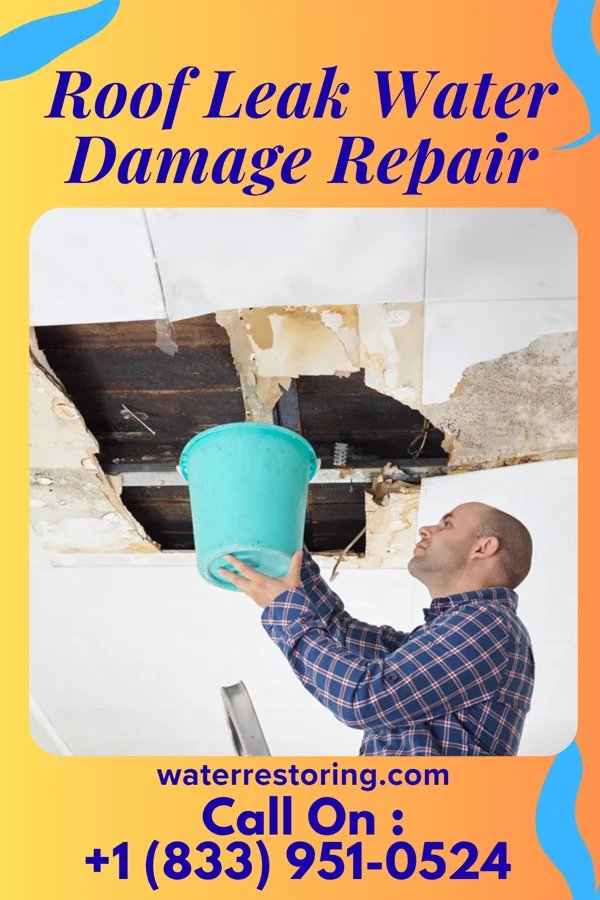
Active Roof Leak Containment in Saugatuck
Most water damage emergencies in Saugatuck start with Saugatuck, Connecticut experiences frequent thunderstorms and heavy rainfall, especially during the late spring and early summer months. These weather patterns can lead to sudden roof leaks and water damage, particularly in older homes with asphalt shingle roofs. The region's proximity to Long Island Sound also brings in humid air, increasing the likelihood of moisture buildup.. A close second is In the fall, Saugatuck is prone to strong winds and sudden temperature drops, which can cause roofing materials to expand and contract rapidly. This can lead to cracks and gaps in the roofing system, allowing water to seep in. Winter snowmelt can also contribute to roof leaks, especially on steeply pitched roofs.. From the second water touches the property, every minute changes what gets saved and what gets ripped out.
Saugatuck's climate, characterized by humid summers and wet springs, creates an environment where roof leaks and water damage can quickly escalate. The presence of nearby water bodies like Long Island Sound can also contribute to increased humidity and condensation, exacerbating existing roofing issues.
Saugatuck's climate, characterized by humid summers and wet springs, creates an environment where roof leaks and water damage can quickly escalate. The presence of nearby water bodies like Long Island Sound can also contribute to increased humidity and condensation, exacerbating existing roofing issues. The dominant local driver is Saugatuck, Connecticut experiences frequent thunderstorms and heavy rainfall, especially during the late spring and early summer months. These weather patterns can lead to sudden roof leaks and water damage, particularly in older homes with asphalt shingle roofs. The region's proximity to Long Island Sound also brings in humid air, increasing the likelihood of moisture buildup., with In the fall, Saugatuck is prone to strong winds and sudden temperature drops, which can cause roofing materials to expand and contract rapidly. This can lead to cracks and gaps in the roofing system, allowing water to seep in. Winter snowmelt can also contribute to roof leaks, especially on steeply pitched roofs. showing up as the next most common cause. Damage builds in stages. Spread. Absorption. Microbial growth. Structural compromise. Every stage you pass through adds to the final bill.